Games that are fun

The history of every game & why they’re fun in the classroom

Every puzzle and board game on Mind Think & Solve has a story — some stretching back thousands of years to ancient India, Rome, and the Viking age. Below you’ll find the origin of each game, including the Viking game Hnefatafl you can play right here, and a note on why it makes a fun, educational classroom game.

Crossword Puzzles

1913

History

The first modern crossword was created by Liverpool-born journalist Arthur Wynne and published in the New York World on 21 December 1913. Originally called a 'word-cross', it quickly became a newspaper staple and by the 1920s had sparked a nationwide craze in the United States.

Fun in the classroom

Crosswords are a lively way to build vocabulary, practise spelling, and reinforce general knowledge across almost any subject — teachers can even craft themed grids to match a lesson.
Chess

~6th century CE

History

Chess evolved from the Indian game chaturanga around the 6th century, passed through Persia as shatranj, and reached Europe via the Islamic world by the 10th century. The modern rules — including the queen's and bishop's powerful moves — crystallized in 15th-century Spain, giving us the game played today.

Fun in the classroom

Chess is widely used in schools to develop planning, foresight, and concentration. Studies of school chess programmes suggest it can support transferable thinking skills and patient decision-making.

Checkers (Draughts)

Ancient (~3000 BCE)

History

A form of draughts was played in ancient Egypt around 3000 BCE, and similar games appear across cultures worldwide. The modern 8x8 English/American version, where pieces move diagonally and kings move both directions, became standard in the 18th century.

Fun in the classroom

Checkers teaches tactical thinking — looking ahead, setting up forced jumps, and trading pieces wisely — in rules simple enough for young children to grasp in minutes.

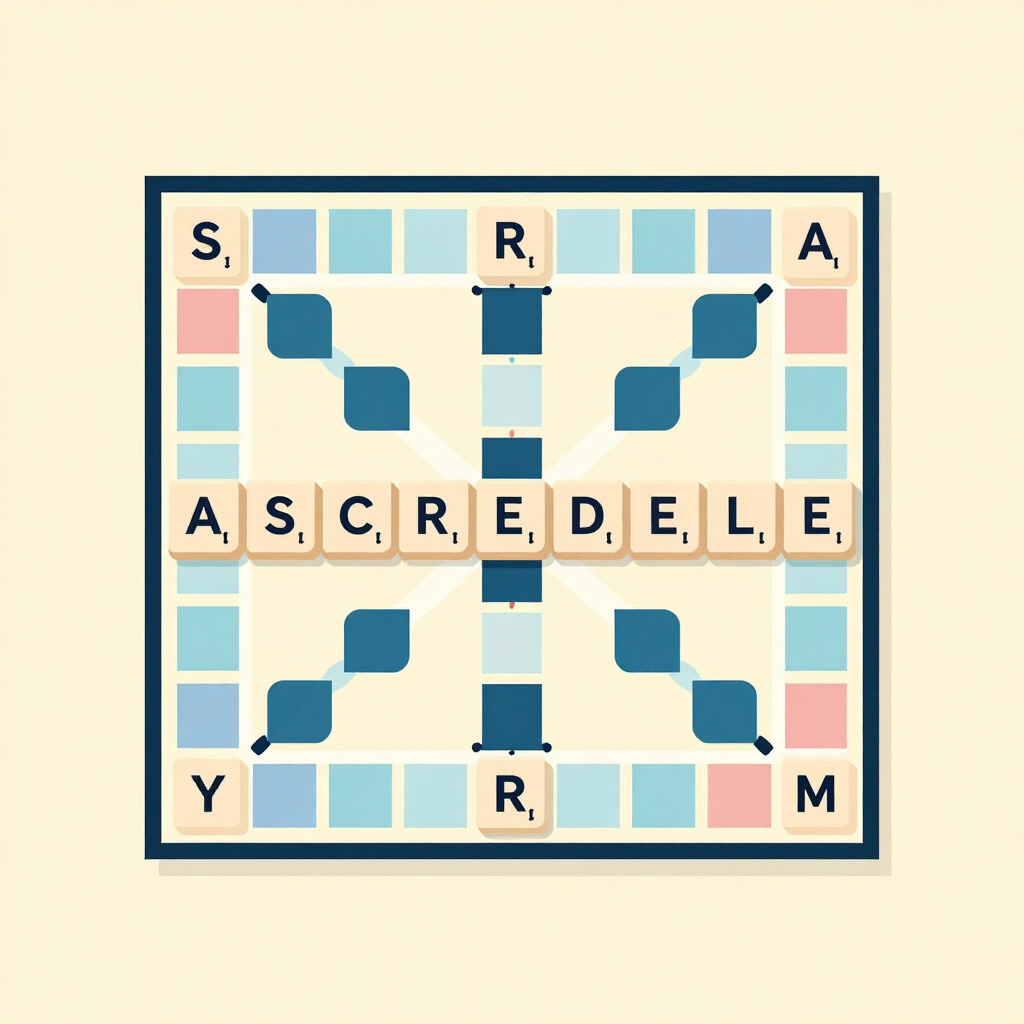
Scrabble game thumbnail

Scrabble

1938

History

Scrabble was invented in 1938 by unemployed American architect Alfred Butts, who analysed letter frequencies in English to design the scoring. Originally called 'Criss-Crosswords', it was renamed and commercially launched in 1948 and went on to become one of the best-selling board games ever made.

Fun in the classroom

A natural fit for language lessons: players build spelling and vocabulary skills while learning to weigh rare high-value letters against common ones.

Trivia game thumbnail

Trivia

Ancient / modern 1980s

History

The word 'trivia' comes from the Latin 'trivium' (a place where three roads meet). Quiz-and-trivia games are ancient, but the modern trivia craze took off with the board game Trivial Pursuit, created in Canada in 1979 and released in 1981, which sold tens of millions of copies.

Fun in the classroom

Trivia rounds make memorable review tools — turning facts from any subject into a friendly competition that encourages recall and curiosity.

Jigsaw Puzzle game thumbnail

Jigsaw Puzzle

1760s

History

The jigsaw puzzle was created around 1760 by London cartographer John Spilsbury, who mounted maps on wood and cut them along country borders to teach geography. The fretsaw (or 'jigsaw') used to cut them later gave the puzzle its name.

Fun in the classroom

Jigsaws build spatial reasoning, fine motor skills, and patience, and themed images can reinforce geography, art, or science topics.

Mazes game thumbnail

Mazes

Ancient

History

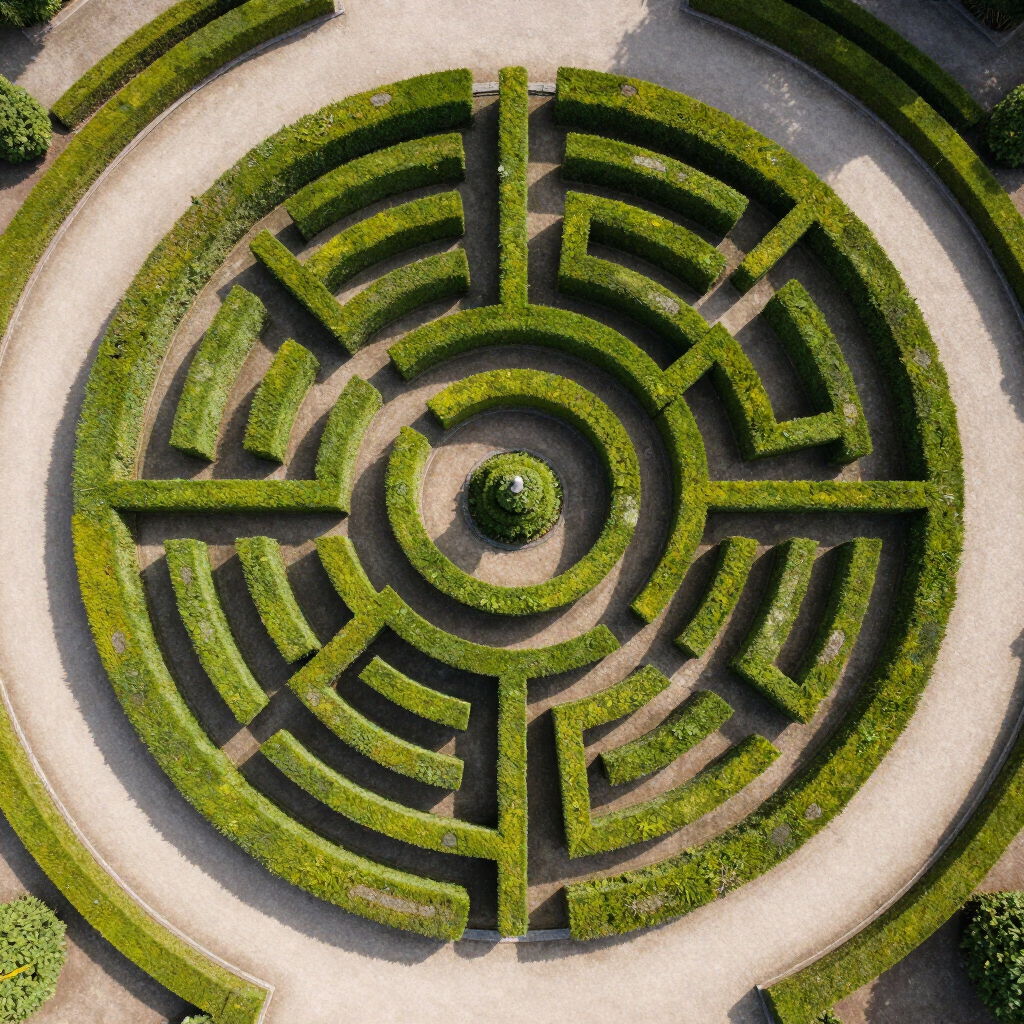
Mazes and labyrinths are among humanity's oldest designs — the legendary Labyrinth of Crete dates to Greek mythology, and turf and hedge mazes became fashionable in European gardens from the 16th century. The pencil-and-paper puzzle maze followed in the 19th century.

Fun in the classroom

Solving mazes strengthens planning, sequencing, and the willingness to backtrack from dead ends — a gentle introduction to trial-and-error problem solving.

Othello (Reversi)

1883 / 1971

History

Othello descends from Reversi, a Victorian game patented in England in 1883 by Lewis Waterman. The modern version, Othello, was created in Japan by Goro Hasegawa in 1971 and named after Shakespeare's play for its dramatic reversals of fortune.

Fun in the classroom

Othello teaches that early advantage can vanish in an instant — a vivid lesson in long-term strategy and evaluating a position, not just the piece count.

Connect Four

1974

History

Connect Four was released by Milton Bradley in 1974, designed by Howard Wexler and Ned Strongin. Its gravity-drop mechanic turned a simple alignment game into a fast, tactile classic that has stayed in print ever since.

Fun in the classroom

A quick, concrete way to introduce concepts like threats, double threats, and thinking two moves ahead — strategy that transfers to other games and to maths.

Hnefatafl game thumbnail

Hnefatafl

~4th–12th century

History

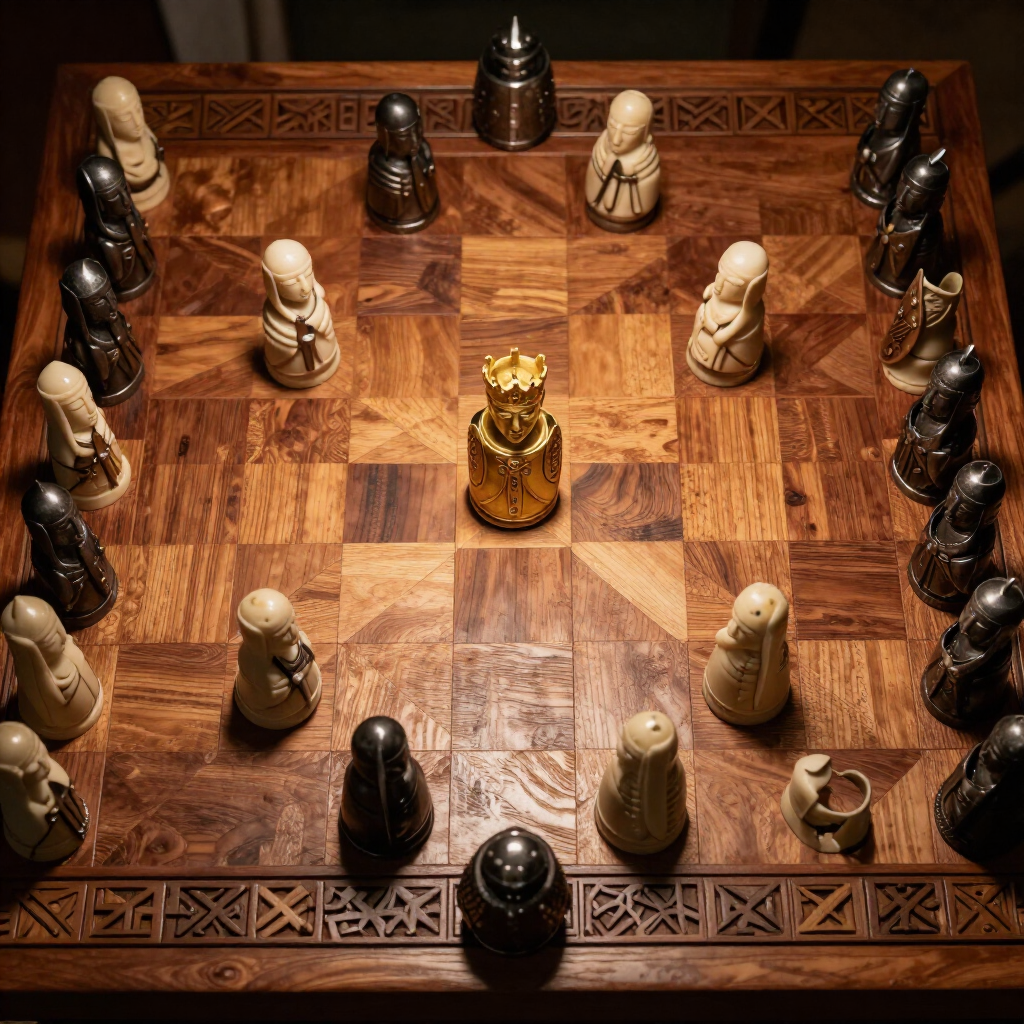
Hnefatafl ('king's table') is a family of asymmetric board games played throughout the Viking and medieval Norse world from roughly the 4th to the 12th century. Unlike chess, the two sides are unequal: a king and his defenders in the centre try to escape a ring of attackers besieging them. It faded as chess spread north, but has been revived by modern enthusiasts.

Fun in the classroom

A brilliant window into Viking-age culture and a rare example of an asymmetric game — the two sides pursue completely different goals, which sparks rich discussion about strategy, balance, and history.

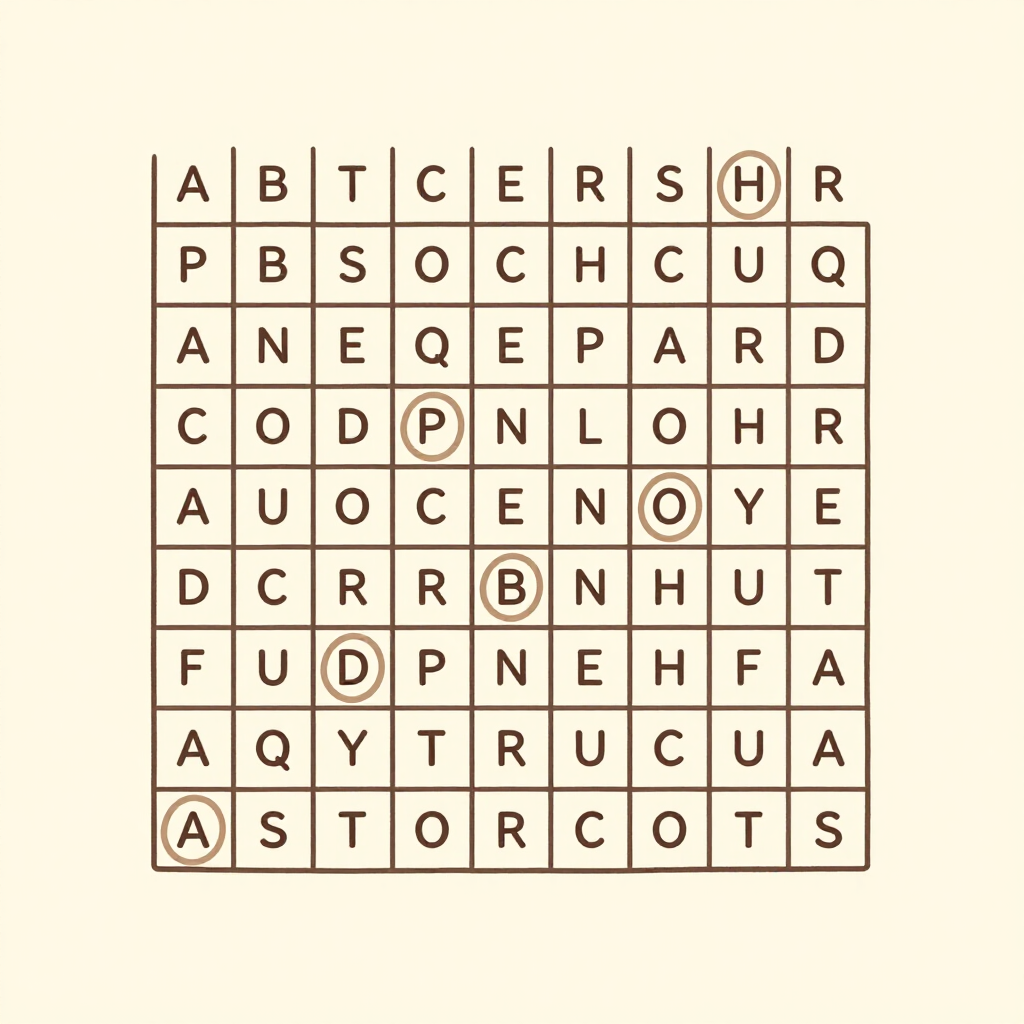
Scramble game thumbnail

Scramble

Modern word puzzle

History

Letter-scramble puzzles (often called 'anagrams' or 'jumbles') have appeared in newspapers and puzzle books for over a century. The daily 'Jumble' cartoon, created in 1954 by Martin Dell, did much to popularize the form.

Fun in the classroom

Scrambles sharpen spelling and word recognition by asking the brain to reorder letters — a quick warm-up that builds flexible thinking about how words are built.

Word Unscrambler

Modern word puzzle

History

Word-unscrambling exercises grew out of the same anagram tradition as Scramble, adapted for education as a way to practise spelling whole phrases and sentences rather than single words.

Fun in the classroom

Working from a shared letter pool to rebuild a phrase reinforces vocabulary, spelling, and the structure of sentences — useful for both native-language and language-learning classes.

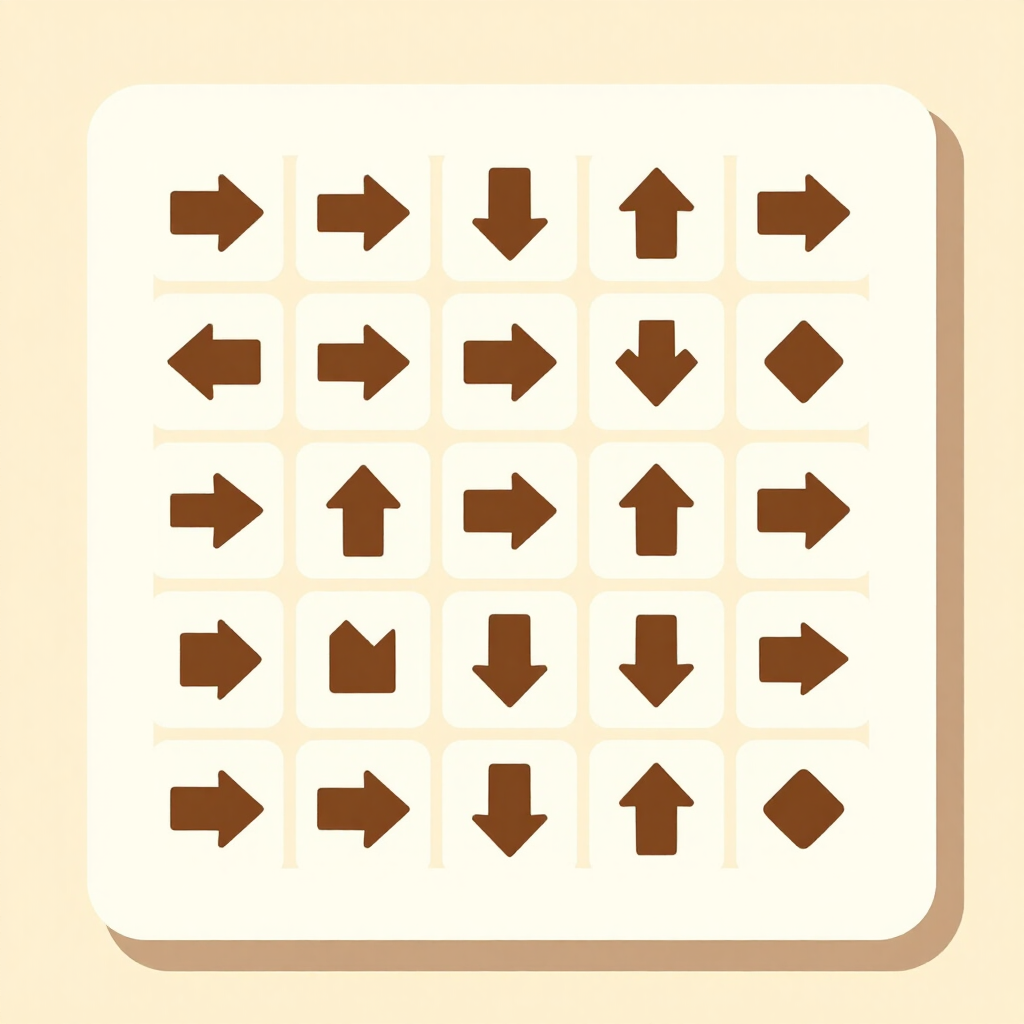
Arrow Puzzles game thumbnail

Arrow Puzzles

Modern memory puzzle

History

Arrow-sequence puzzles are a digital descendant of the memory game 'Simon', released by Milton Bradley in 1978, which challenged players to repeat growing sequences of lights and tones.

Fun in the classroom

Short, engaging exercises for working memory and attention — repeating a sequence back builds the same recall muscles used in spelling and mental maths.

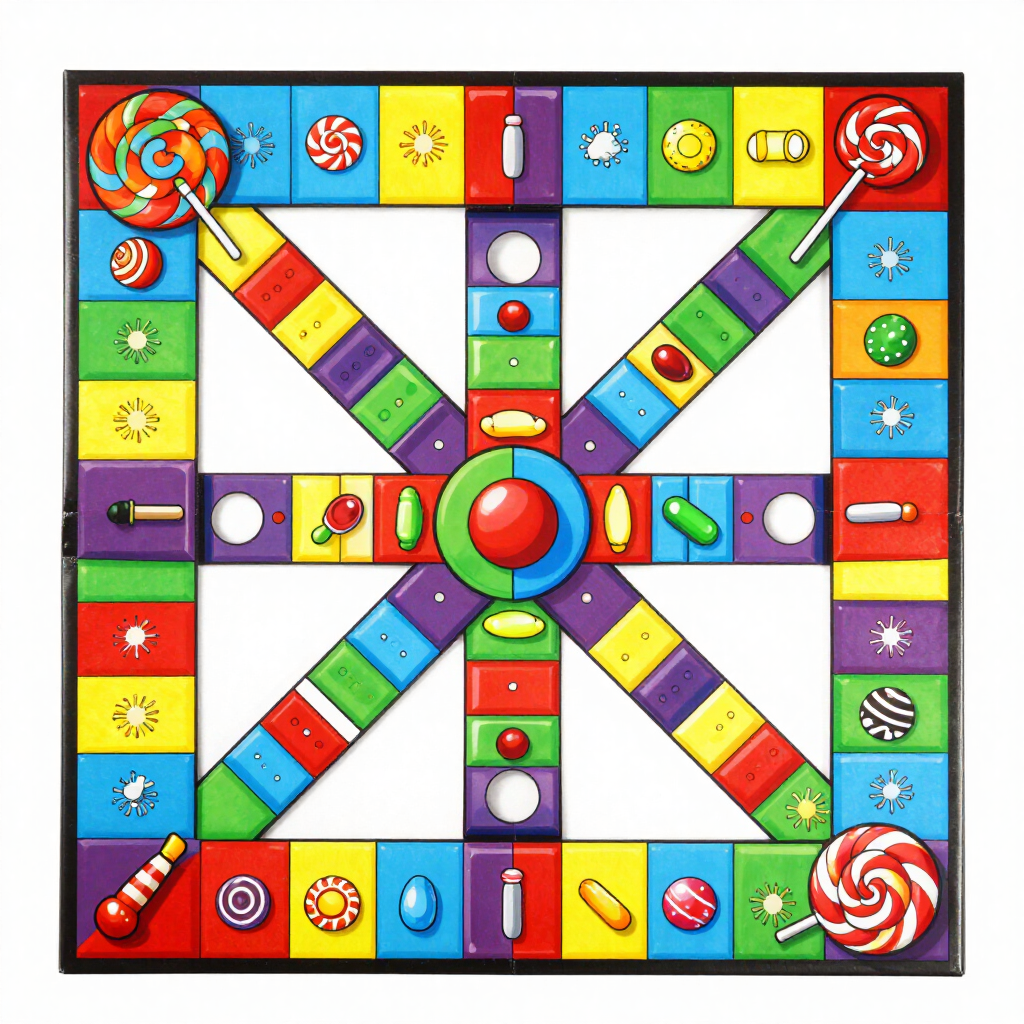
Candy Land game thumbnail

Candy Land

1949

History

Candy Land was created in 1949 by Eleanor Abbott, a retired schoolteacher recovering from polio in a San Diego hospital ward. She designed it to entertain the polio-stricken children around her, and it was published by Milton Bradley the same year. Because it requires no reading and almost no decisions, it became a classic first board game for generations of children.

Fun in the classroom

An ideal first game for young pupils: it teaches colour recognition, turn-taking, and the basic rhythm of board games — winning and losing gracefully — with no reading required.

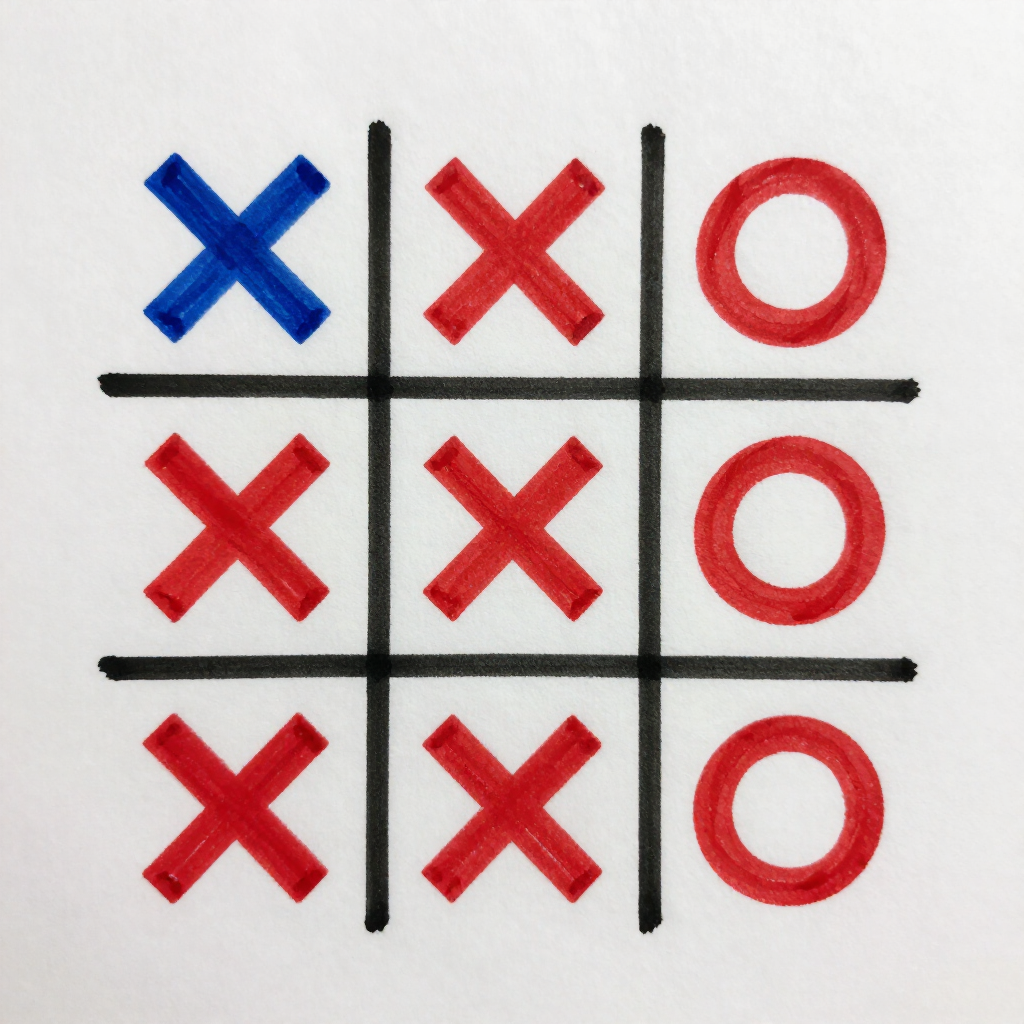
Tic-Tac-Toe game thumbnail

Tic-Tac-Toe

Ancient (Roman)

History

Three-in-a-row games are ancient: the Romans played a version called 'terni lapilli' carved into Roman rooftops around the 1st century. The modern name 'tic-tac-toe' emerged in the United States in the late 19th century, while much of the world knows it as 'noughts and crosses'.

Fun in the classroom

Often a child's first strategy game, tic-tac-toe teaches the foundations of tactical thinking — blocking, forking, and recognising a draw — and is a gentle introduction to good sportsmanship.

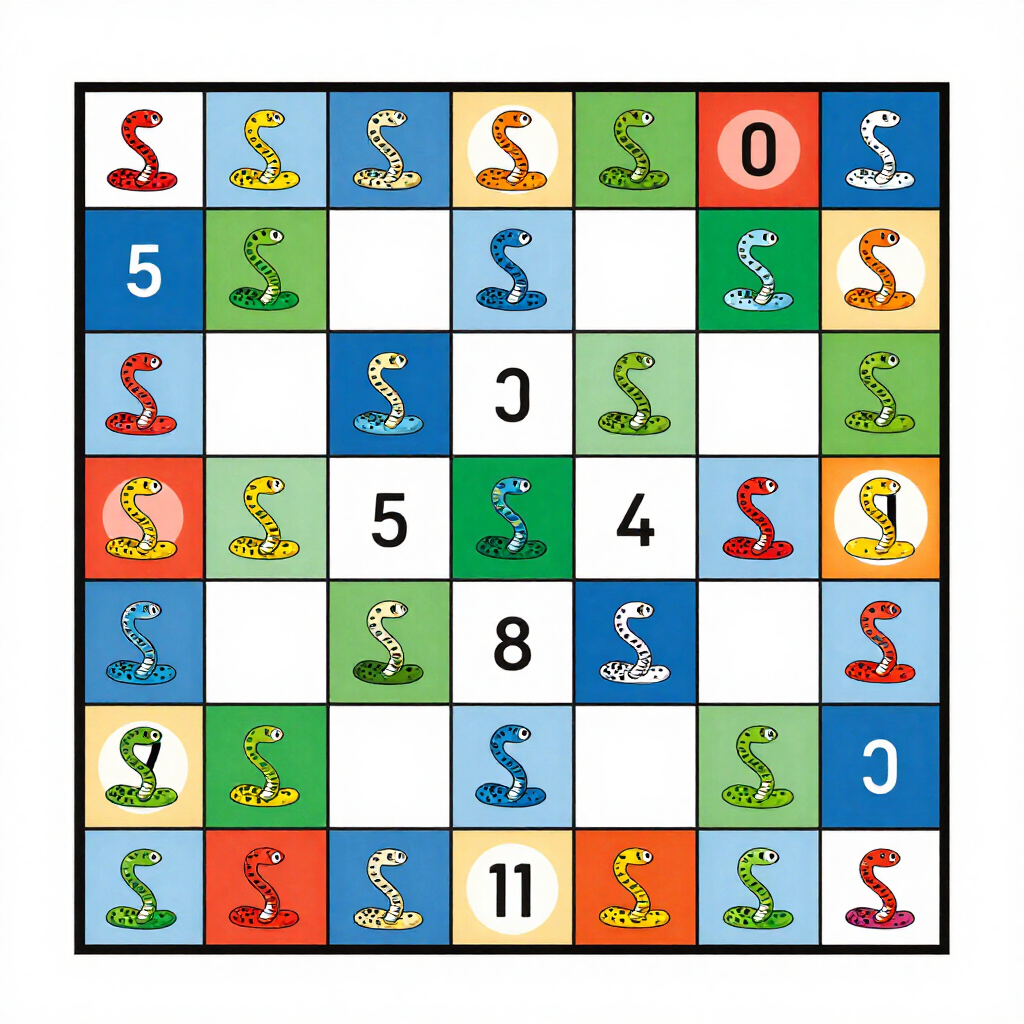
Chutes and Ladders game thumbnail

Chutes and Ladders

Ancient India (~2nd century BCE)

History

Chutes and Ladders is the American version of 'Snakes and Ladders', which originated in ancient India as 'Moksha Patam' around the 2nd century BCE. The original game was a moral teaching tool: ladders represented virtues and snakes represented vices, climbing or sliding the soul toward liberation. It was brought to England in 1892 and adapted by Milton Bradley in the United States in 1943, replacing snakes with playground chutes.

Fun in the classroom

A playful way to practise counting and number sequencing for young children, and its ancient moral-design origins make a fascinating cross-curricular link to history and storytelling.

Ludo game thumbnail

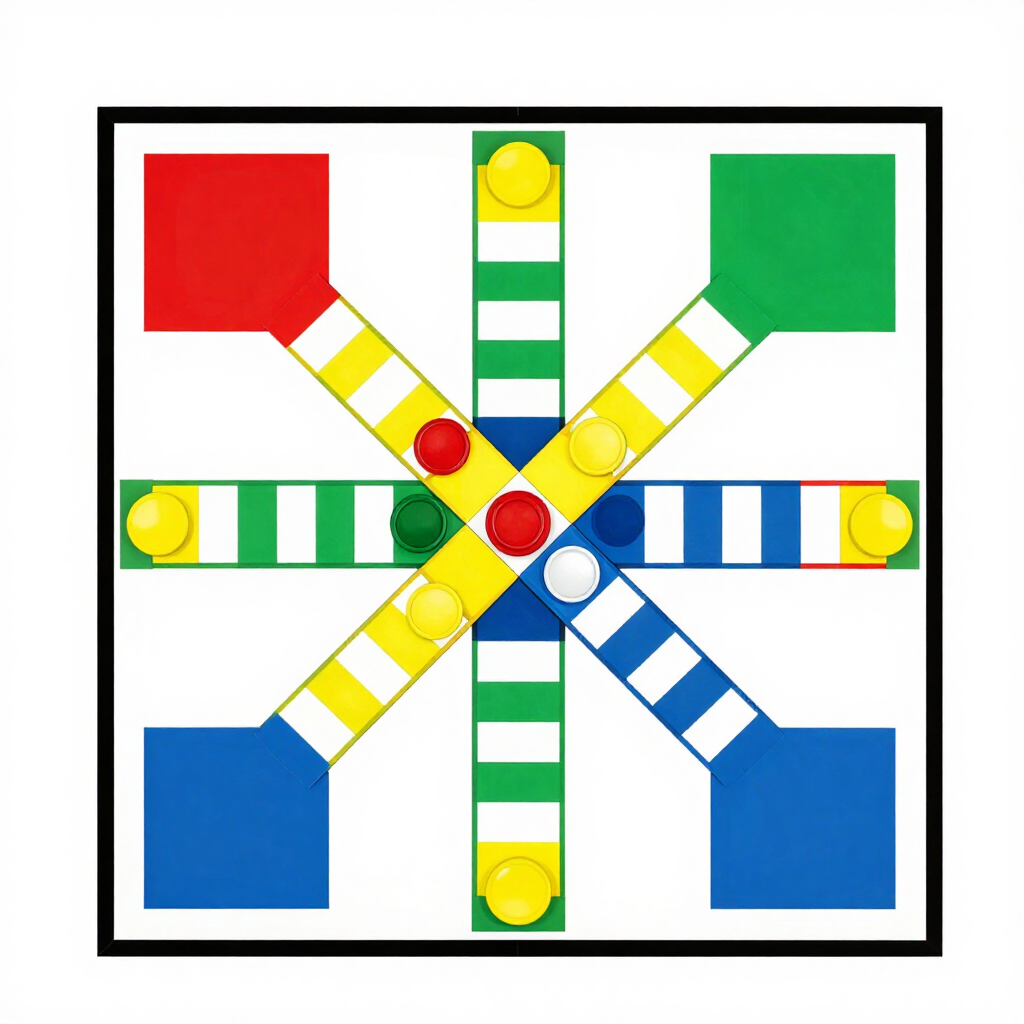
Ludo

From Pachisi (~4th century CE)

History

Ludo is a simplified descendant of Pachisi, a cross-shaped race game played in India as early as the 4th century CE (the Mughal emperor Akbar played it on a giant courtyard board with human pieces). Pachisi was adapted in England and patented as 'Ludo' in 1896, giving it the name and dice-based play known worldwide today.

Fun in the classroom

Ludo reinforces counting, turn-taking, and a first feel for probability and chance — and its deep history links a classroom favourite to centuries of Indian game design.

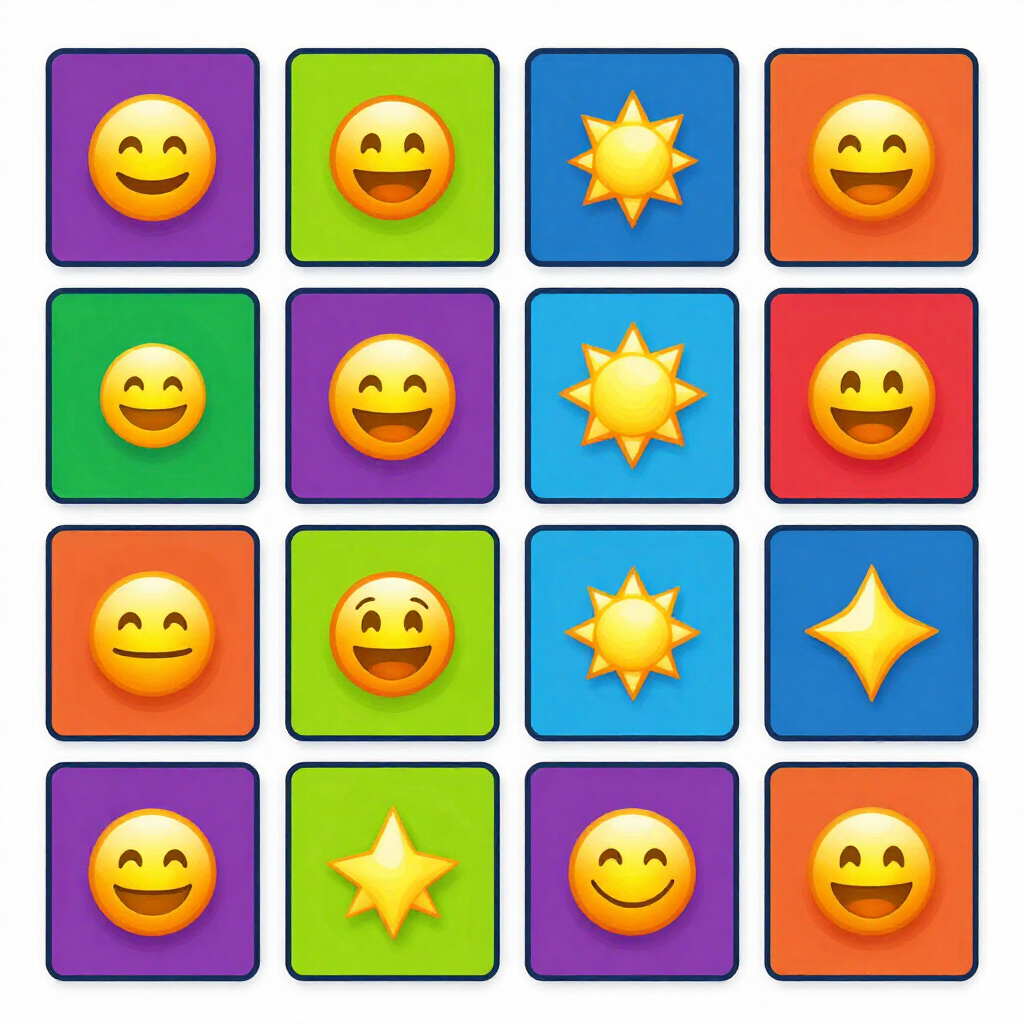
Matching (Memory) game thumbnail

Matching (Memory)

Mid-20th century

History

The card-matching memory game, often called 'Concentration' or 'Memory', became widely popular in the mid-20th century. Its exact origin is unclear, but it spread through decks of playing cards before becoming a staple of children's educational games.

Fun in the classroom

A proven exercise for visual memory and concentration. Teachers can theme the card pairs to any subject — letters, shapes, vocabulary, or science images — for instant, customised practice.

Ready to play?

Every game above is free to play right now — no sign-up or download needed. Pick one and see how far back in history a single board can take you.

Browse all games